25 Brilliant Mobile App Ideas Inspired by Everyday Problems
Every developer faces the same frustrating moment: staring at a blank screen, wondering what to build next. The key lies in creating something meaningful that solves genuine problems rather than collecting digital dust in an app store. Real opportunities emerge when innovation meets necessity, focusing on practical solutions rooted in the challenges people face daily.
Once developers identify a promising concept, the next hurdle involves bringing it to life without spending months learning complex frameworks or burning through budgets. Testing and validating solutions before committing significant resources allows focus on what truly matters: building apps people actually need and use. Orchids's AI app generator transforms concepts into working prototypes quickly, bridging the gap between idea and implementation.
Table of Contents
- Why Most Mobile App Ideas Never Become Real Apps
- How to Find Great Mobile App Ideas & Validate Them
- 25 Brilliant Mobile App Ideas Worth Exploring
- Got a Mobile App Idea? Build It Before It Stays an Idea
Summary
- The best mobile app ideas emerge from noticing friction in everyday life, rather than brainstorming sessions chasing novelty. When you shift from "what would be cool to build" to "what problem keeps showing up," you gain built-in validation because you've experienced the pain yourself. This specificity tells you who to talk to, what questions to ask, and whether your solution actually improves their situation.
- According to Tech Trappers, 90% of apps are abandoned after just one use, yet countless potential solutions never make it past someone's notes because the perceived complexity of building apps feels insurmountable. People stall because they overestimate how hard it is to build and underestimate how hard it is to validate. They spend energy brainstorming features instead of talking to potential users, worrying about technical frameworks before confirming anyone would actually download their app.
- The validation process starts with conversations, not coding. Talk to 10 to 15 people who face the problem you're considering and ask how they currently handle it. App store reviews of competitors contain unfiltered frustration about gaps in existing solutions, while social media listening reveals the exact language people use to describe their pain points. Google Trends shows whether search volume for related terms is growing or declining.
- Most mobile app ideas don't fail because they're bad concepts. They fail because they never escape the notes app, with people spending weeks refining ideas and researching competitors instead of building something users can actually test. By the time someone assembles the traditional resources (developers, infrastructure, weeks of coordination), the initial excitement has faded, and the idea joins thousands of others that never faced real users.
- Apps designed for specific communities gain traction because they address highly specific problems that general-purpose tools ignore. A meal planning app for bodybuilders works differently from one for busy parents, and this specificity isn't a limitation but validation. When you can describe exactly who experiences a problem and how they currently cope with it, you've identified a real market.
- Orchids' AI app generator addresses this execution gap by letting you describe what you want through conversation rather than code, removing the technical barrier that has traditionally blocked concepts from becoming functional products that users can test.
Why Most Mobile App Ideas Never Become Real Apps
Someone gets excited about an app idea during their daily commute, jots down a few bullet points, and sketches a wireframe on a napkin. A friend calls it brilliant. The note gets buried under grocery lists and meeting reminders. Sound familiar?
🚨 Warning: Coming up with an app idea is the easiest part—execution is where 99% of ideas die.
Here's the uncomfortable truth: coming up with an app idea is the easiest part. Thousands of people have app ideas every week—some genuinely brilliant, others less inspired. The real challenge is execution, which requires something most people underestimate: validation.
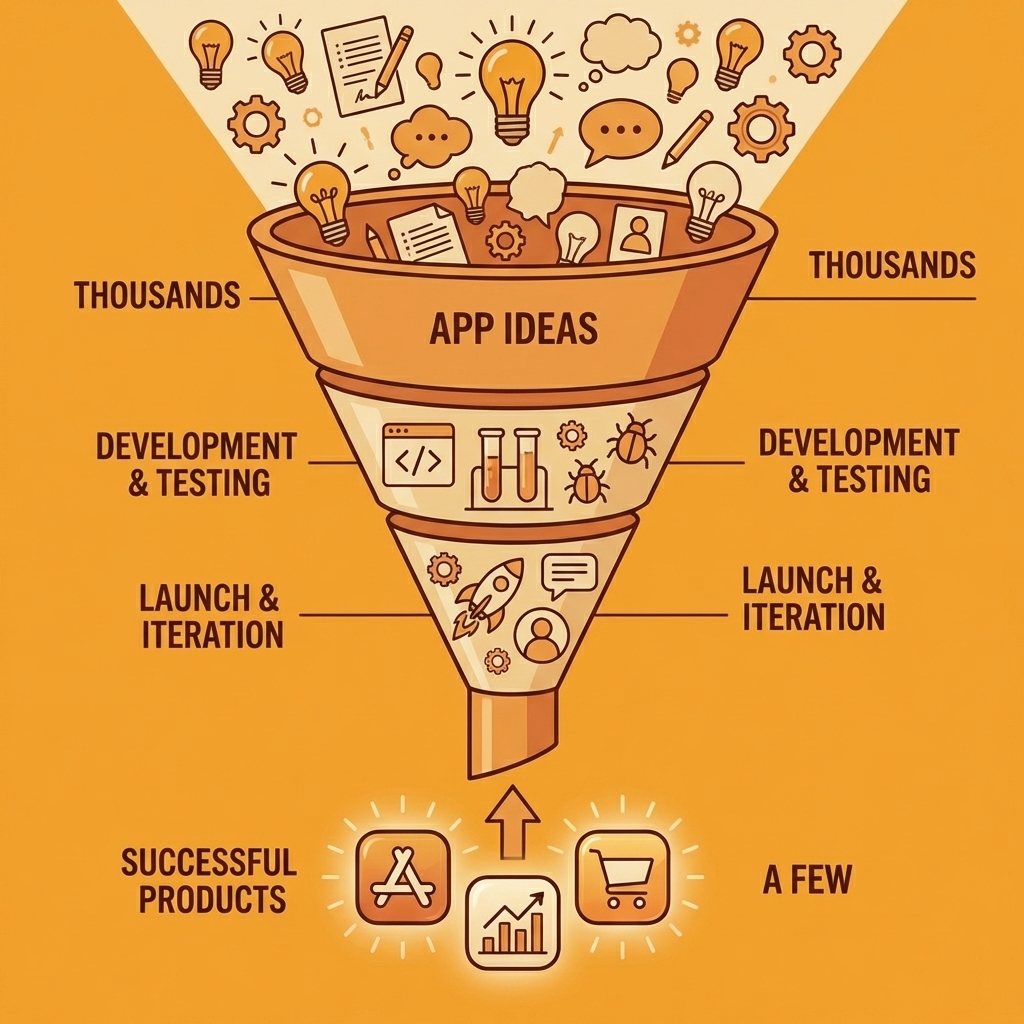
"95% of new products fail because they don't solve a real problem that people are willing to pay for." — Harvard Business Review, 2023
Key Point: Your brilliant idea means nothing without proper validation and a clear execution plan.
Why do most people get stuck before they even start building?
Most people who want to build apps believe the hardest part is coming up with a clever idea. This misconception leads them to spend months searching for the "perfect" idea while overlooking a fundamental question: Does anyone need this? The app stores contain millions of apps, yet according to Tech Trappers, 90% of apps are abandoned after just one use.
What happens when you skip user validation?
People delay getting started because they overestimate how hard it is to build and underestimate how hard it is to validate. They brainstorm features instead of talking to potential users, worrying about choosing between React Native and Flutter before confirming anyone would download their app.
Without a clear problem to solve, there's no foundation to build on. Every decision feels random without a user need anchoring the choices.
How do successful apps actually get their start?
The best app ideas come from noticing friction in everyday life, not brainstorming sessions. Someone gets frustrated booking appointments across multiple time zones and builds Calendly. A designer gets tired of emailing files back and forth and creates Dropbox. These were observations of specific, recurring problems that affected real people.
Why does focusing on problems change everything?
When you shift from "what would be cool to build" to "what problem keeps showing up," everything changes. You stop chasing new ideas and start chasing usefulness. You have built-in validation because you've experienced the pain yourself. You can describe exactly who else faces this problem and how they currently handle it. That specificity tells you who to talk to, what questions to ask, and whether your solution improves their situation.
What stops people after they find a real problem?
But here's what stops most people after they identify a real problem: the gap between idea and implementation feels substantial.
Related Reading
How to Find Great Mobile App Ideas & Validate Them
Successful apps follow predictable patterns rooted in observable human behavior. The strongest ideas emerge from three consistent sources: daily workflow friction, overcomplicated existing tools, and niche communities with unmet needs.

Pro Tip: The most profitable apps solve problems people experience multiple times per day. Look for friction points in your own routine - if something annoys you daily, it's likely frustrating thousands of others, too.
"The best mobile apps are born from personal frustration with existing solutions. 78% of successful app founders started by solving their own problem first." — Mobile App Development Report, 2024

Key Insight: Validation is more important than the initial idea itself. A mediocre concept with strong validation will outperform a brilliant idea that nobody actually wants or needs.
Daily Workflow Friction Creates Natural Opportunities
Watch how people navigate their routines. Small recurring frustrations reveal opportunities. Someone manually tracks expenses across three apps because no single tool supports their business structure. A freelancer copies client information between five platforms for every new project. These repetitions create genuine pain.
According to the Appbot Blog, 90% of apps fail within the first year because they solve imaginary problems rather than real friction. People download apps that save time, reduce effort, or replace frustrating processes. If your app doesn't clearly eliminate something annoying, it becomes another icon users scroll past.
How does simplifying complexity win users?
The most downloaded apps succeed by making complicated software easier to use. Professional-grade video editing once required expensive desktop software and technical expertise. InShot stripped away 90% of features to focus on the 10% of mobile users who needed them. Complex project management becomes a simple task of tracking. Sophisticated analytics becomes basic progress visualization.
Where do focused solutions find their opening?
There is a gap between what tools can do and what users need. This gap creates space for focused solutions. When existing options require learning 17 features to accomplish a single task, you've found your opening. Platforms like AI app generator demonstrate this by letting anyone describe what they want to build conversationally. Our Orchids platform removes the technical complexity that traditionally blocked non-developers from creating functional apps.
Why do niche communities signal specific demand?
Apps made for runners, freelancers, students, or hobby groups become popular because they solve specific problems that general tools don't address. A meal planning app for bodybuilders works differently from one for busy parents. When you can describe exactly who has a problem and how they currently deal with it, you've found a real market.
How should you validate demand before coding?
Start validation with conversations, not coding. Talk to 10-15 people who face the problem. Ask how they currently handle it, what workarounds they've created, and what would eliminate their need for a current solution.
App store reviews of competitors reveal unfiltered frustration about gaps in existing solutions. Social media listening captures the exact language people use to describe pain points. Google Trends indicates whether search volume for related terms is growing or declining.
But knowing where ideas come from matters only if you can separate the viable ones from wishful thinking.
Related Reading
- Replit Alternatives
- Hire an App Developer
- Appsheet Alternatives
- Softr Alternatives
- Vs Code Alternatives
- AI Tools For Product Managers
25 Brilliant Mobile App Ideas Worth Exploring
The following ideas emerge from patterns we've found: solving everyday problems, making existing tools easier to use, or helping smaller groups of people. Each addresses a specific problem with a clear user in mind. What matters isn't how complicated the technology is but whether the solution eliminates something that frustrates people.
Tip: Focus on user frustration rather than technical complexity when evaluating app ideas—the best solutions often use simple technology to solve real problems.
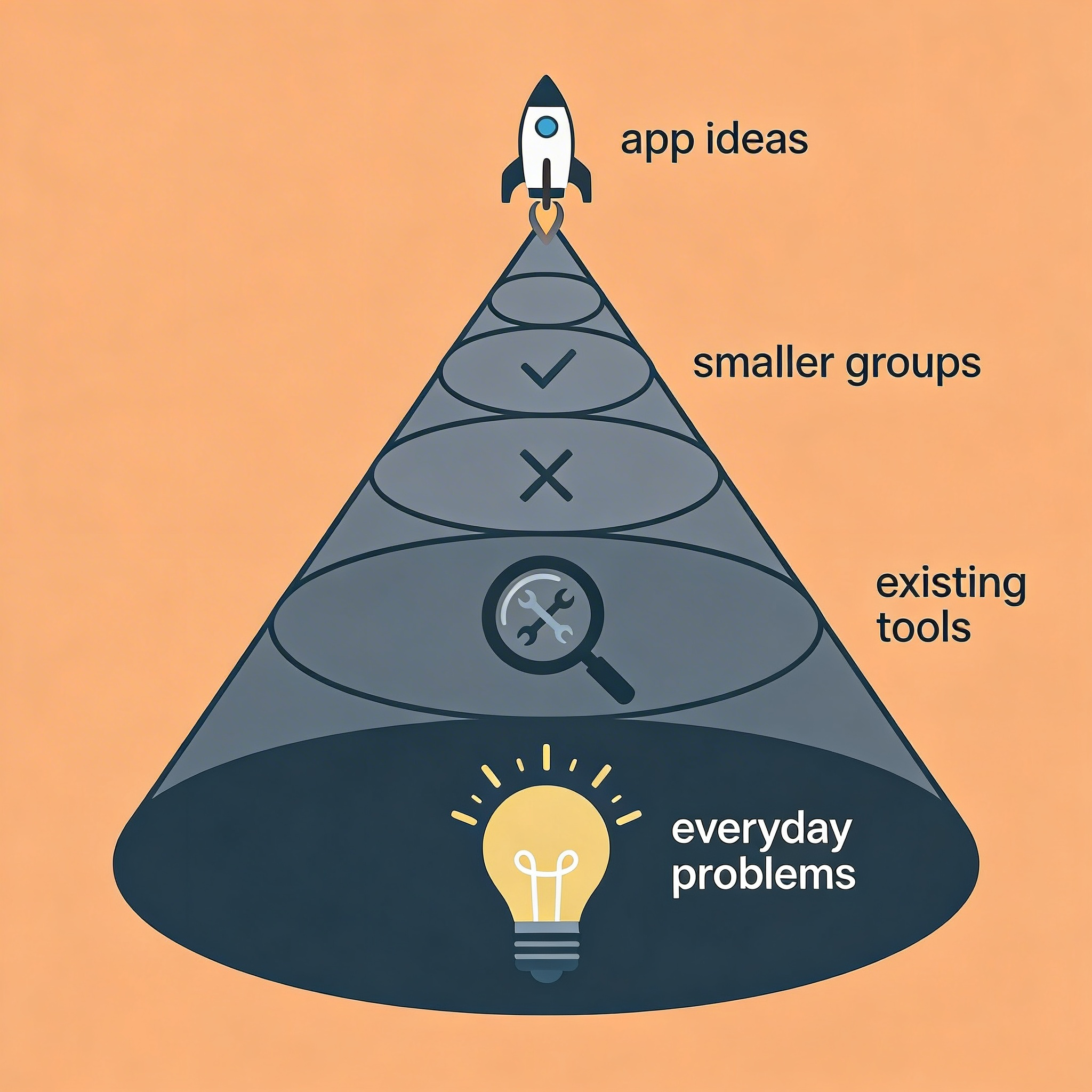
These ideas reflect what people want, based on user behaviour and reported problems. According to Startechup, readers spend an average of 14 minutes researching app ideas, suggesting they prefer tested ideas over starting from scratch. The ideas below provide that starting point, organised by the main problem each solves.
"Readers spend an average of 14 minutes researching app ideas, which suggests people actively look for ideas that have been tested rather than starting from nothing." — Startechup
Takeaway: Validated app ideas save entrepreneurs research time and reduce the risk of building solutions nobody wants.
1. eCommerce & Shopping App
eCommerce apps in 2025 need AI-powered product suggestions, voice search, and secure payments. The most important differentiator is personalization: users want recommendations based on their preferences, browsing history, and purchase history, not generic feeds. Push notifications for abandoned carts, loyalty programs, and social media integration keep users engaged beyond transactions.
2. On-Demand Home Services App
Busy people in cities struggle to find trustworthy local service providers for cleaning, plumbing, or repairs. An on-demand home services app connects users to verified professionals with one tap, eliminating the need to search reviews, compare quotes, and coordinate schedules. The app links users to local providers in real-time, a particular advantage in urban areas where convenience is essential. A user-friendly design, strong booking systems, secure payment options, real-time tracking, and in-app customer support transform service requests from multi-day coordination efforts into immediate solutions.
3. Virtual Fitness and Wellness Coach
Health and fitness remain important to people, driving demand for personalized solutions. A virtual fitness coach app creates custom workout plans, provides nutrition advice, and tracks performance in real time. AI-based coaching, video tutorials, and progress tracking transform the app into a daily platform for fitness enthusiasts. It replaces expensive personal trainers with accessible, adaptive guidance.
4. E-Learning App
The e-learning sector serves schoolchildren to professionals upgrading their skills. Online learning provides flexibility and convenience as remote education becomes standard. You can focus on specific subjects or offer comprehensive instruction across multiple languages. Live classes, interactive quizzes, and progress tracking keep users engaged, while gamification elements (points, badges, leaderboards) increase motivation and completion rates.
5. Food Delivery App
Food delivery apps can differentiate themselves through sustainable choices, healthier options, or lower-calorie meals. They can serve niche groups—vegans or those requiring gluten-free diets—that larger platforms overlook. Customers now expect real-time order tracking, contactless delivery, and secure payment options. Subscription-based models generate steady revenue, reward loyalty, and convert occasional users into regular subscribers who order multiple times each week.
6. Fitness and Health Monitoring App
A fitness and health-monitoring app tracks body movements, sleep habits, and overall health conditions for fitness enthusiasts and those managing long-term health conditions. The app syncs with wearable devices, provides personalized health tips, and enables direct communication with health experts. This creates comprehensive monitoring that eliminates the need to track health across multiple devices and platforms.
7. FinTech App
FinTech applications handle finances through digital wallets, investment platforms, and lending services. They offer AI-powered financial insights, cryptocurrency management, and peer-to-peer payment options that banks struggle to match, particularly for younger users who manage finances entirely through mobile devices. Demand for digital financial solutions continues to rise as individuals and companies seek secure, efficient ways to manage money.
8. Mental Health and Well-Being App
Mental health apps meet the growing need for accessible wellness resources. They offer guided meditations, therapy exercises, and self-care tips for teens and working adults. Personalization, confidentiality, and user-friendly interfaces are critical to success. Subscription plans for premium content, including deeper courses, expert consultations, and specialized programs, generate sustainable revenue from committed users.
9. Sustainable Living App
Sustainability increasingly influences purchasing decisions, creating opportunities for apps that help users live more eco-friendly lives. A sustainable living app can teach users about waste reduction, provide environmental tips, and connect them with green products. Carbon footprint calculators, eco-friendly product recommendations, and user challenges—such as monthly reduction goals and community competitions—maintain engagement and transform environmental concern into actionable daily habits.
10. Smart Home Automation App
Smart home devices are everywhere, but users struggle with fragmented control systems requiring multiple apps. A smart home automation app enables control of everything from lights to security systems from a single interface on a phone or computer. When the app integrates smoothly with multiple IoT devices, voice control, and AI-powered automation that learns user preferences and adjusts settings automatically, it transforms separate gadgets into a unified connected home system.
11. Education App
Education apps let students watch lectures, take quizzes, and communicate with instructors from any device. Interactive features like discussion boards help instructors assign tasks, track progress, and provide quick feedback. The app balances flexibility with structure: students control their pace while deadlines, peer interaction, and instructor oversight prevent the isolation of purely self-directed learning.
12. Dating App
Dating apps remain important despite their proliferation. Talking directly with potential users reveals gaps in current matching systems, uncovering unmet interests, values, and communities. The solution is to serve those dissatisfied with existing options through superior matching, enhanced safety features, or a design that feels less transactional—a common complaint, according to key findings about online dating in the U.S.
13. Event Management App
Event management apps consolidate planning, scheduling, ticketing, and merchandise sales in one platform. They eliminate the need to coordinate across email, spreadsheets, payment processors, and communication tools, reducing organisational friction and attendee confusion about logistics.
14. Virtual Event App
Virtual event apps organize digital events without physical venues, offering video streaming, live chat, surveys, polls, digital brochures, and interactive games. Success depends on replicating in-person engagement: networking opportunities, spontaneous conversations, and interactive elements rather than simply broadcasting content to passive viewers.
15. Nutrition App
A nutrition mobile app helps people eat healthier by tracking meals, calorie intake, and nutritional needs. The app ensures users meet their vitamin and mineral requirements, addressing growing health consciousness about diet's impact on energy, mood, and long-term health outcomes.
16. Mood Tracking App
Mood-tracking apps help users identify emotional patterns by recording their mood at various intervals. Features like journaling, mindfulness exercises, and goal-setting enable proactive mental health management by helping identify triggers, recognize patterns, and implement coping strategies rather than reacting to emotional crises.
17. Anti-Smartphone Addiction App
This app helps people reduce mobile device usage by tracking screen time, setting limits, and offering reward systems. It addresses device dependency that users recognise as problematic but struggle to control without external structure and support.
18. Personal Finance App
A personal finance app helps users manage money through solid systems and tools. AI integration provides detailed budgeting reports, monitors spending habits, and offers suggestions. Advanced features like check deposits and credit score tracking consolidate financial management that typically requires multiple apps and manual tracking across accounts.
19. AI-Powered Personal Tutor
Education shows high AI adoption rates, with 92% of students using AI tools. An AI-powered personal tutor app provides real-time explanations, adaptive learning paths, and instant feedback based on student performance. It can break down complex topics into simpler steps, generate practice questions, and automatically adjust difficulty levels. Features such as voice interaction, multilingual support, and subject-specific tutoring make learning more accessible and personalized across different age groups and skill levels.
20. Travel Planning App
Travel planning apps simplify trip organization by combining bookings, itineraries, and recommendations in one place. Features like budget tracking, real-time updates, and local guides help users avoid scattered planning across multiple platforms.
21. Language Learning App
Language learning apps help users acquire new languages through interactive lessons, speech recognition, and gamified challenges. Personalized progress tracking and daily practice reminders improve consistency and retention.
22. Pet Care Management App
Pet owners often struggle to track feeding schedules, vet visits, and health records. A pet care app centralizes this information, sends reminders, and connects users with nearby veterinarians and pet services.
23. Remote Work Collaboration App
Remote teams need better communication and productivity tools. This app integrates messaging, task management, video calls, and file sharing into a single platform, reducing dependence on multiple tools.
24. Local Community App
A local community app connects people within neighborhoods to share updates, recommend services, and organize events. It strengthens local engagement and helps users quickly find relevant information.
25. Second-Hand Marketplace App
This app enables users to buy and sell pre-owned items locally. Features like secure payments, seller ratings, and location-based listings make transactions safer and more convenient.
Got a Mobile App Idea? Build It Before It Stays an Idea
Most mobile app ideas fail because they never escape the notes app. People spend weeks refining concepts, sketching features, and researching competitors, but the real test is simpler: can you turn it into something people can use and see how they respond?
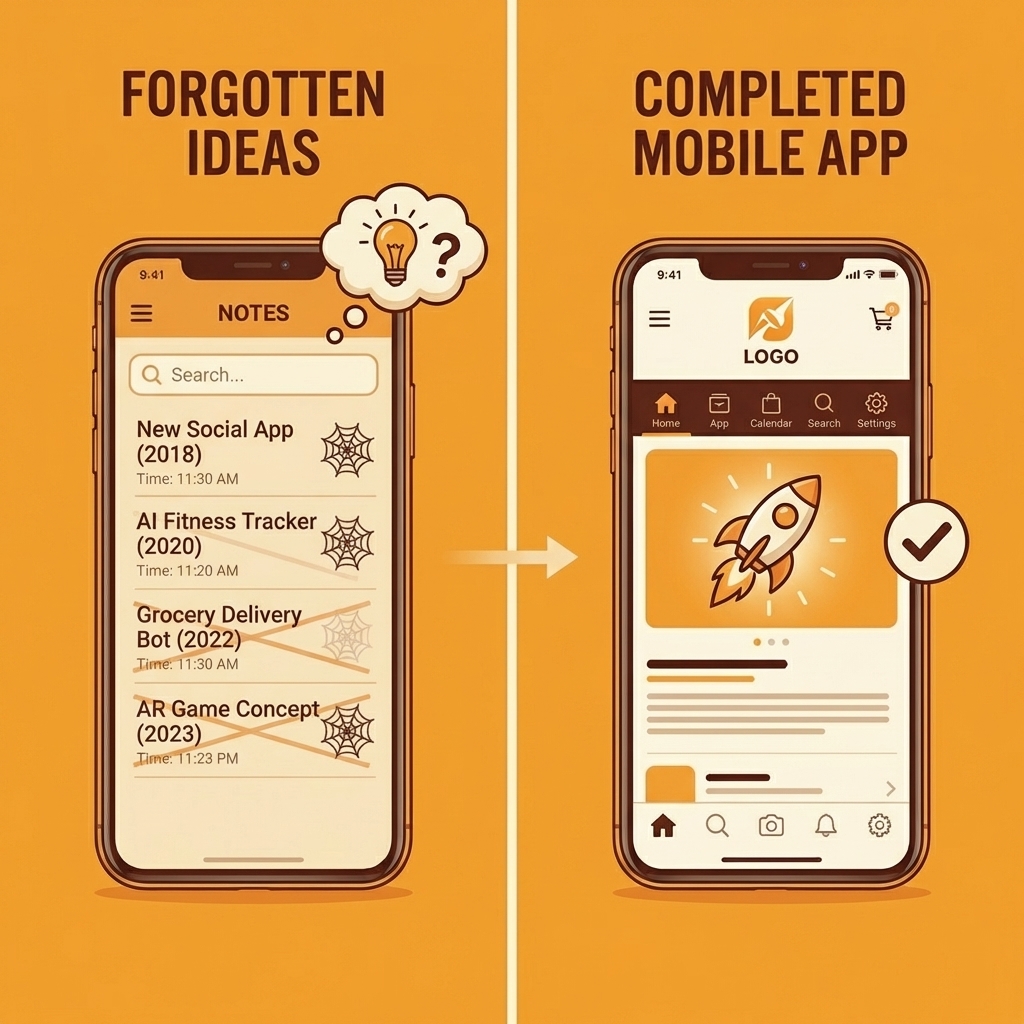
Key Point: The biggest killer of mobile app ideas isn't bad concepts—it's the execution gap between idea and working product.
Building the traditional way requires developers, infrastructure, and weeks of coordination. By the time someone assembles the resources, the initial excitement has faded. The idea joins thousands of others that seemed brilliant but never faced the only test that matters: real users interacting with a working product.
"The question isn't whether your concept is perfect. It's whether you'll build it today or let it become another forgotten note."
Platforms like AI app generator remove that barrier by letting you describe what you want through conversation rather than code. With Orchids, you explain the app, the platform generates the foundation, and you deploy to test market interest. No framework decisions, no boilerplate setup—just the fastest path from concept to functional product.
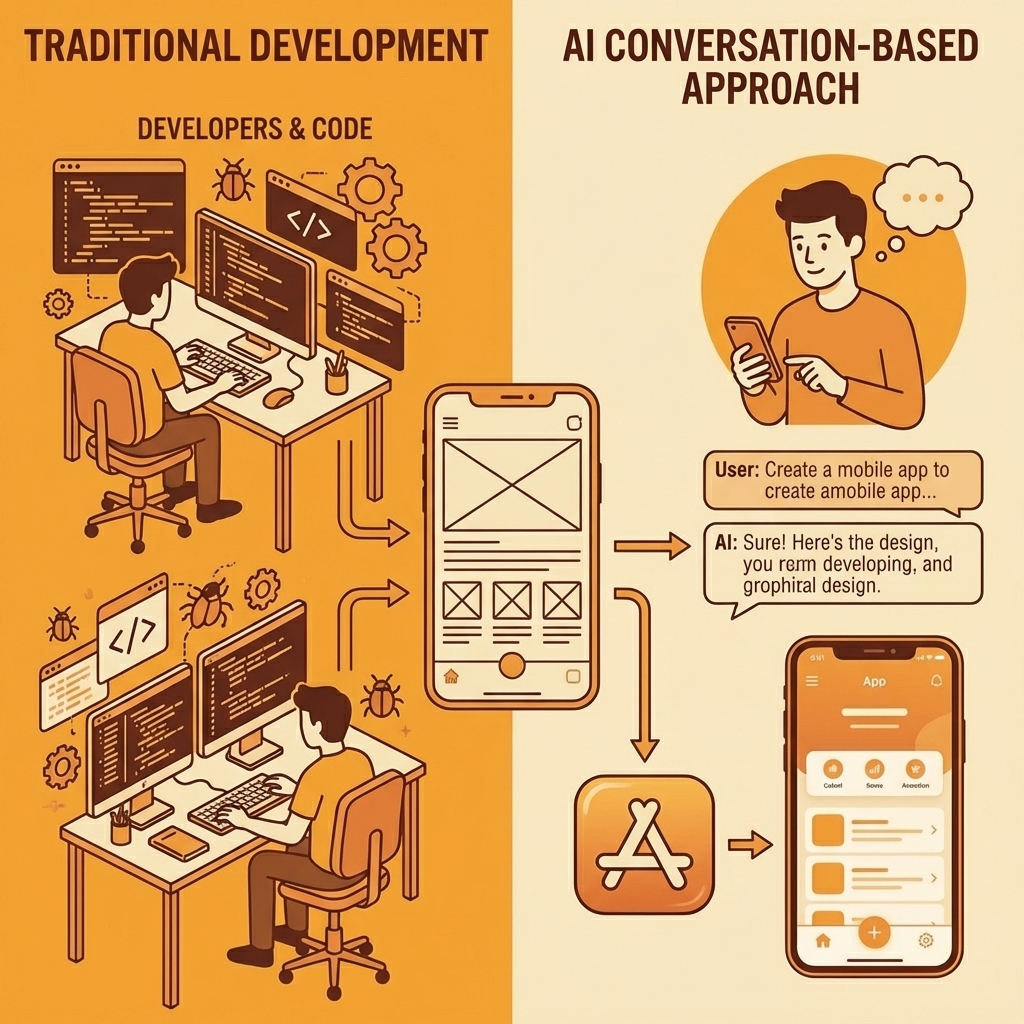
| Traditional Development | AI App Generation |
|---|---|
| Weeks to first version | Hours to deployment |
| Requires developers | Requires conversation |
| High upfront cost | Low barrier to entry |
| Complex setup process | Simple description-based |
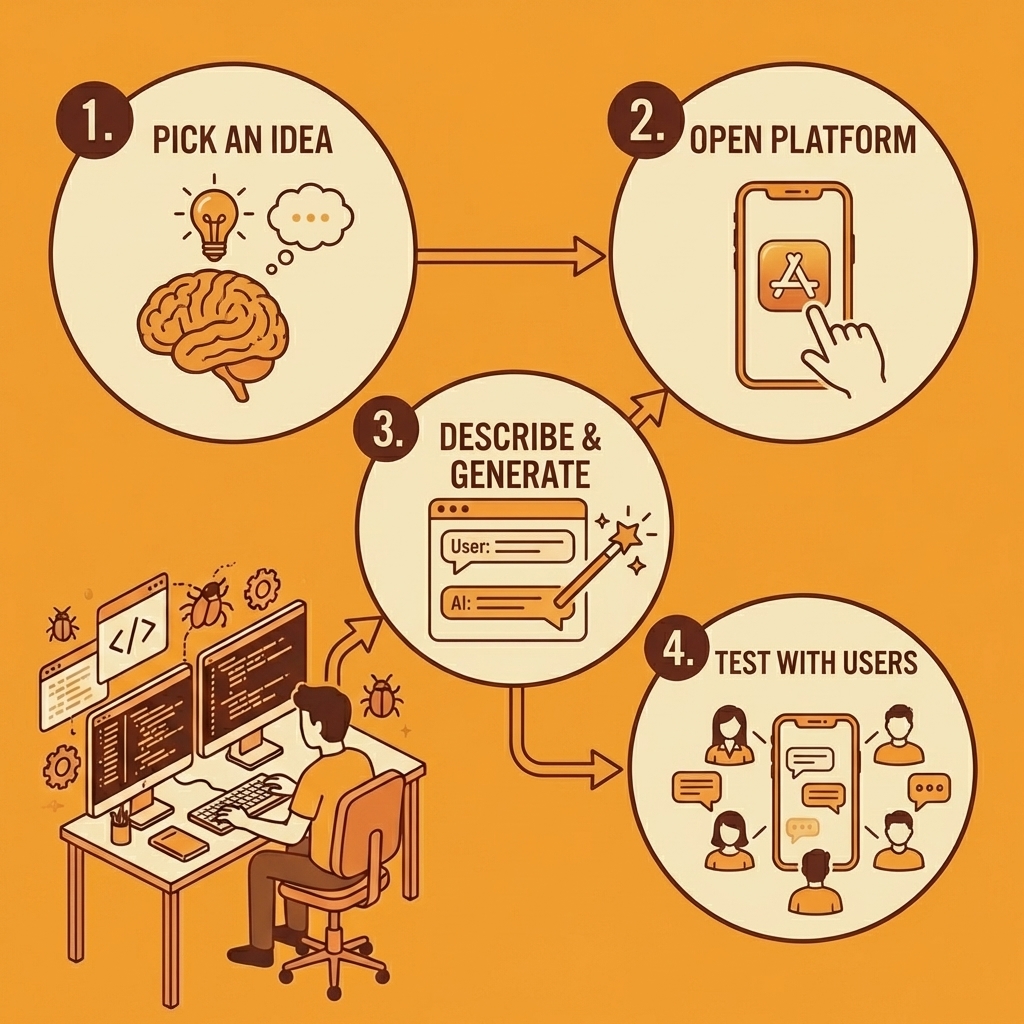
Pick one idea and open the platform. Describe what it should do, generate your first version, and test with users. You'll learn more in an afternoon of user testing than in a month of planning. Users might want features you didn't expect, and that feedback only arrives after you build something they can touch.
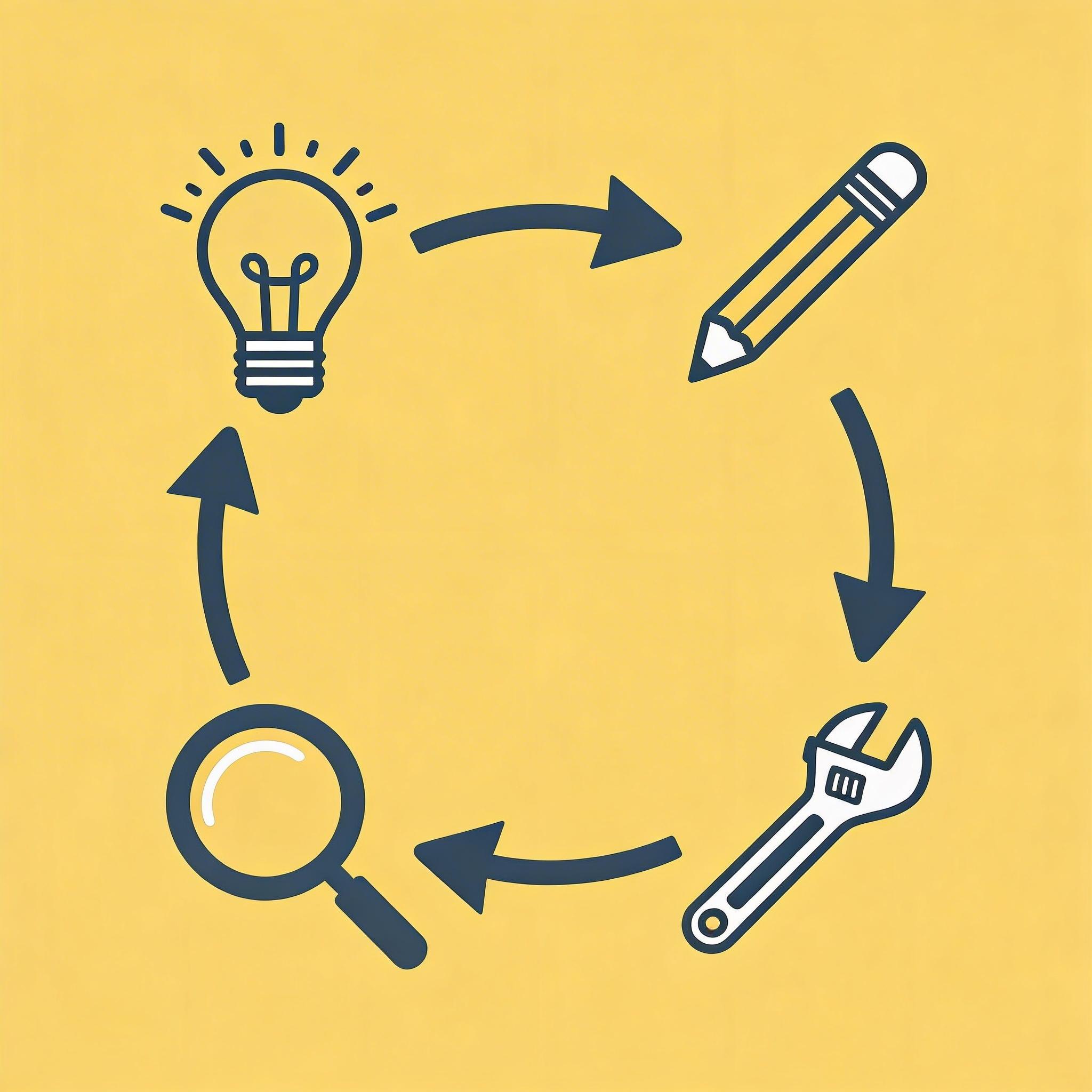
Tip: Start with your simplest app idea first. The goal is to master the build-test-iterate cycle, not to create the perfect product on attempt one.
Most ideas stay ideas because the gap between vision and execution feels insurmountable. The question isn't whether your concept is perfect, but whether you'll build it today or let it become another forgotten note.
Related Reading
Bilal Dhouib
Head of Growth @ Orchids